How Gateway Realty Group built a lead system from nothing
A St. Louis real estate team, one YouTube channel, a main website and a network of community sites, and six years of compounding.
By Jacob Peistrup · Figures as of September 28, 2026
115 sales, $66.4M
closed or under contract from leads the channel and websites produced, 2021 to 2026. Closed alone is 111 sales and $63.3M
About 30%
of the team's 2026 volume so far, up from 9% in 2021
$9.1M
closed from website and community-site leads, on a site that produced no leads before 2023
18% to 53%
how often ChatGPT and Google AI Mode named the team in buyer and seller questions, September 2025 to September 2026
Where it started
In 2020, Gateway Realty Group was five real estate agents running on referrals, repeat clients, open houses and client events. There was no online lead generation and no system for tracking leads.
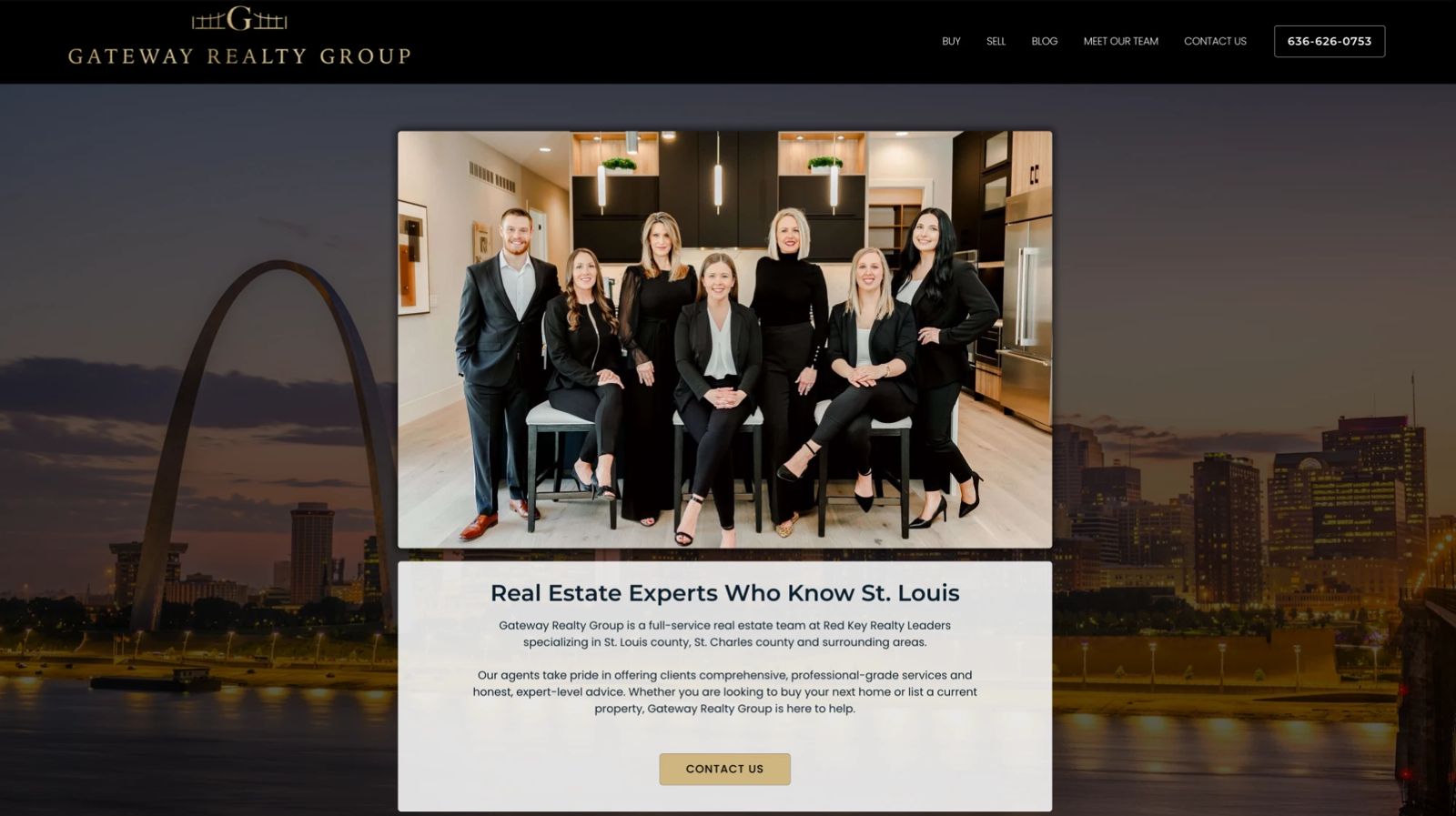
The website was an AgentFire template at thestlrealtors.com. It had a few swapped-in details about the team, four stock blog posts that every AgentFire site gets, and area pages full of generic demographics. It averaged 30 to 40 visits a month, and outside of searches for the team's own name, it didn't rank in Google's top 10 for anything that mattered. It existed to look professional when someone searched for the team, but it had never produced a lead.
Chapter 1: A YouTube channel built around what buyers search (2020 to 2021)
I started Living St. Louis in May 2020 and made the usual agent videos: why I'm a realtor, market updates, pricing tips. They were short, and nobody was searching for them.
In November 2020, with fewer than 20 subscribers, I changed the approach. The videos got longer, 8 to 12 minutes, and each one answered a question someone moving here would actually type: "Is moving to St. Louis worth it?", "How much does it cost to live in St. Louis?", "St. Louis vs. St. Charles." Every video did a little better than the one before.
In February 2021, a tour of Nelly's mansion in Wildwood reached 130,000 views in its first month. In June 2021, the first two buyers from the channel closed, both on homes around $500,000. Early on, a good month meant 2 or 3 qualified leads. Today a good month is 10 to 20.
Chapter 2: Turning leads into a team system (2021 to 2025)
At first I answered every lead and showed the houses myself. In September 2021 I stepped back from showings and closings and started handing leads to the agents.
Two lessons shaped how the team works now.
Put the agents on camera, and sell the team. People who watched me expected to work with me, and some went quiet when they learned they'd be working with a different agent from the team. In 2023 I started bringing the agents into the videos and changed the ask from "call Jacob" to "work with Gateway Realty Group." Now clients regularly message us saying "hi team," or they ask for a specific agent by name after seeing them in a video or reading their website bio.
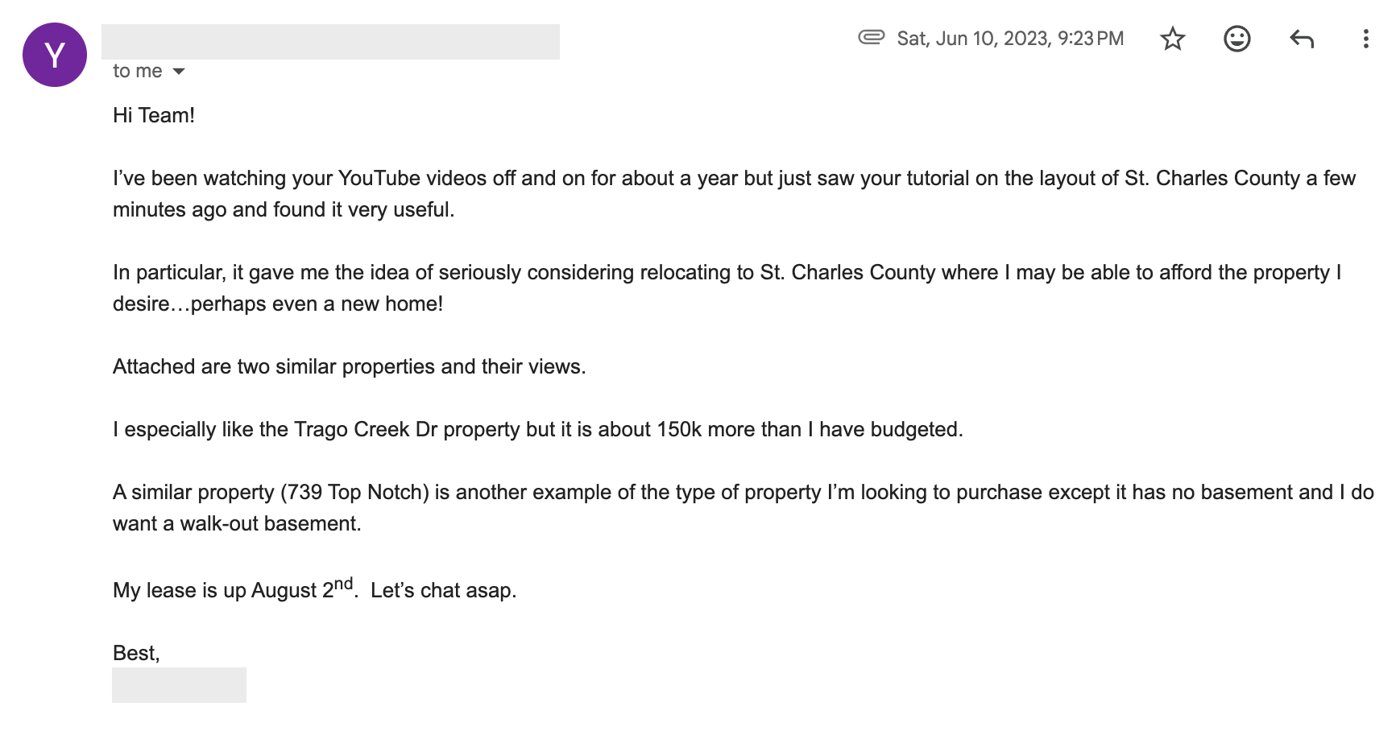
One person owns every inbound lead. In 2022, Madison and I both had access to the YouTube inbox, and each of us assumed the other had replied. Responses slowed down and we kept backtracking. Once Madison alone owned inbound leads, it was simple for her to hand the job to Kate in January 2025. Kate is unlicensed, and that turned out to be an advantage. Her whole job is to qualify each lead, get what the agent needs, and assign it fast. When someone asks her about the market, she tells them she's not an agent and an agent will answer.
"Working with YouTube leads is working with people who already know us, even though we've never talked before. I would rank them at the same level as a referral lead simply because of how warmed up they are to us. They already understand our value because they've been watching us for months, if not years, and have decided we are the group of people they want to work with."
Some viewers fly in and go under contract in a single weekend. Many are under contract within 3 to 6 months, and a long tail is 1 to 3 years out. The videos focus on the areas the team most wants to work, especially St. Charles County, so that's where most of the leads come from.
Chapter 3: Making the website pull its weight (2023 to 2026)
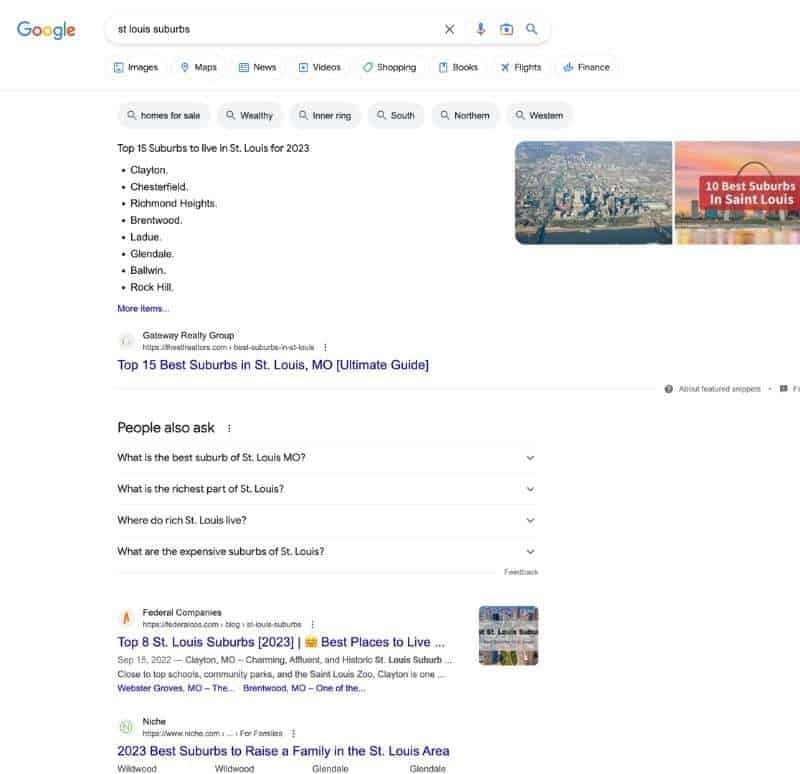
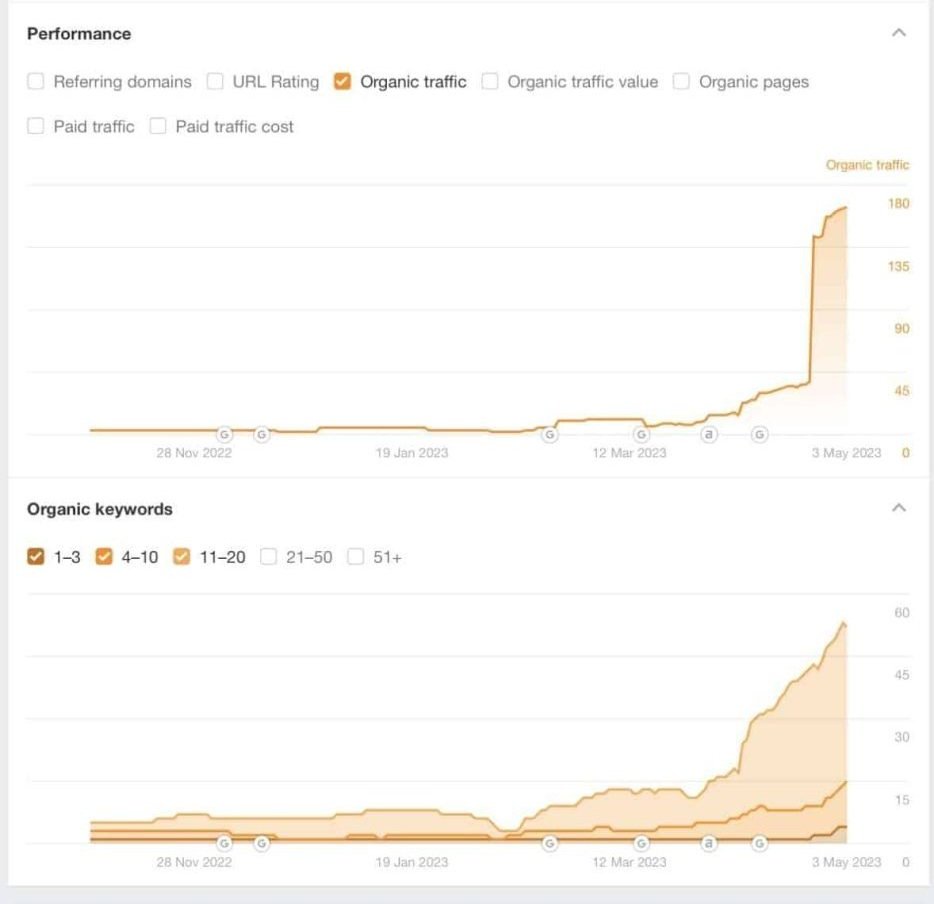
On February 21, 2023, I started treating the website as a lead source. I rewrote the existing pages and added more than a dozen neighborhood guides, each written the way you'd describe a town to a friend, with original photos, maps and illustrations. On April 26, 2023, the site reached #1 on Google for "St. Louis suburbs." Traffic roughly quadrupled.
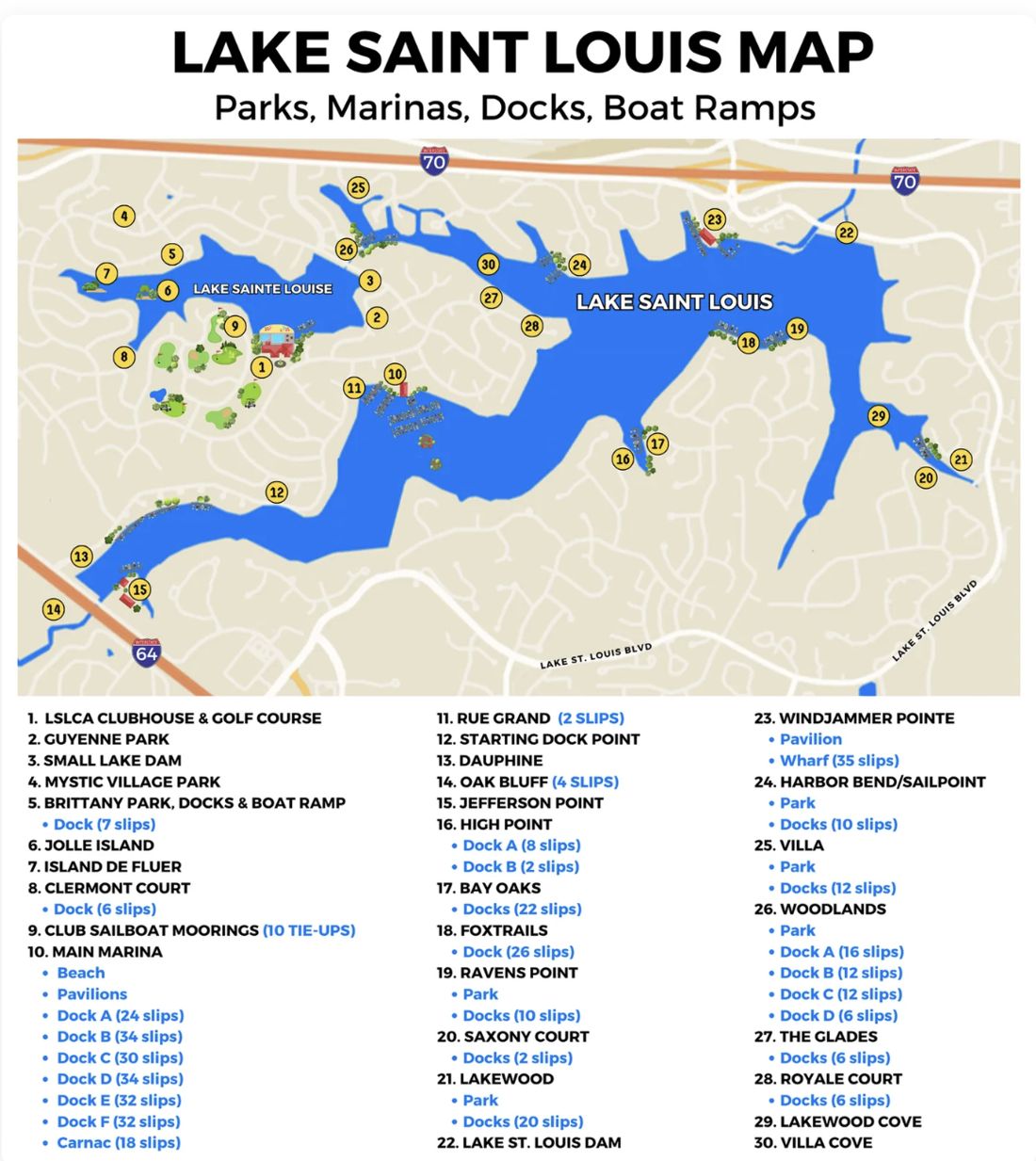
That July, a family read our Lake St. Louis guide and reached out with questions. Lake St. Louis is a nuanced market, with community rules, different home types and a lot of off-market sales. It's also one of the areas Gateway Realty Group is most experienced in selling. The team helped them buy an off-market waterfront home for $1.3 million.
Since then, the website and three community sites have produced 15 closings worth $9.1 million. Seven more buyers, whom we credit to YouTube, reached out through a website page or form after watching the channel. The channel and the sites work as one system.
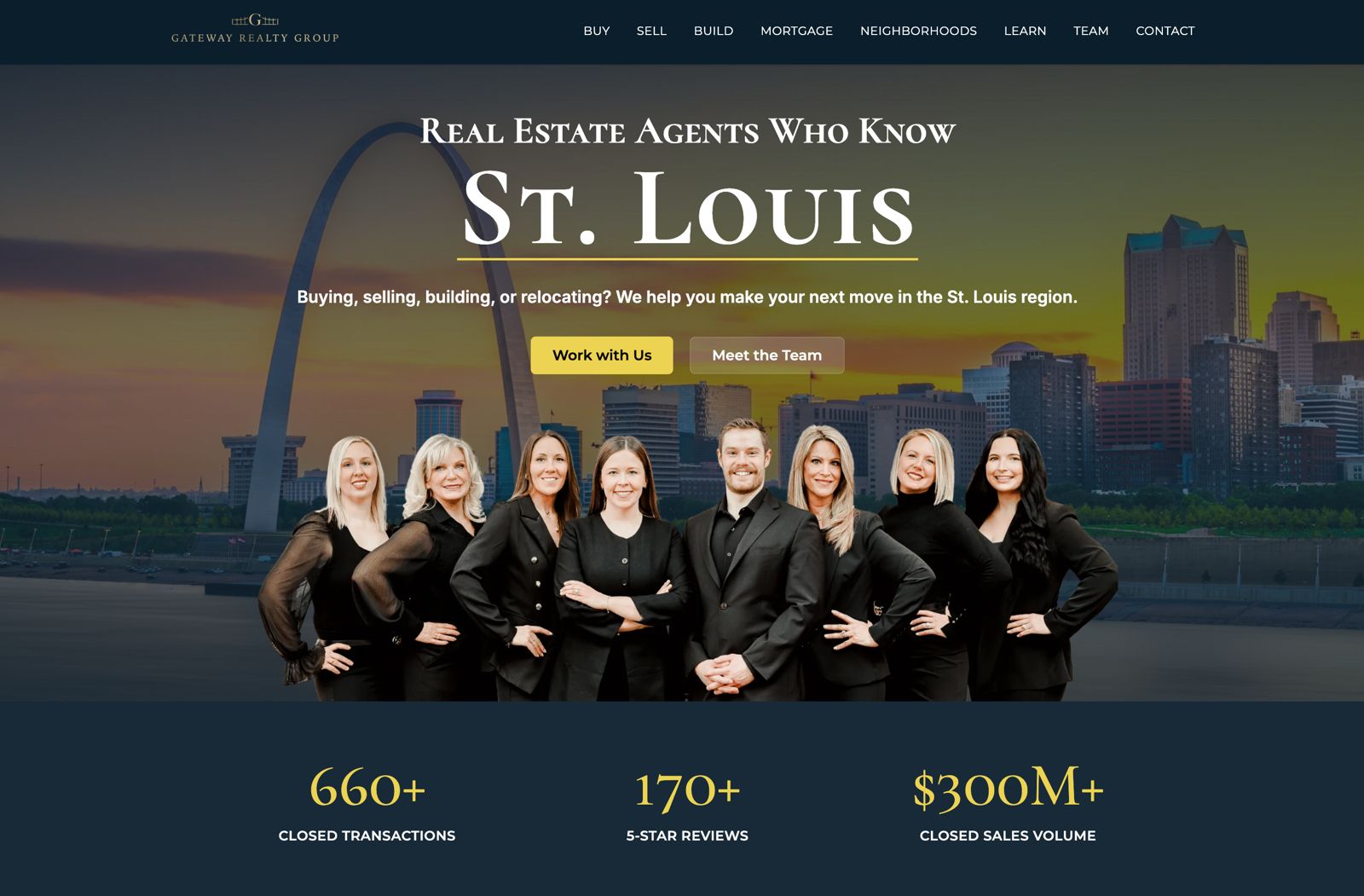
The site was rebuilt twice. In January 2024 it moved off AgentFire onto WordPress. From July to September 2026 I rebuilt it from scratch with AI, to make it faster and easier for search engines to read, and so every page could be updated quickly. To be honest about it: traffic has risen and fallen over the years, and I can't point to either redesign as the reason for a jump.
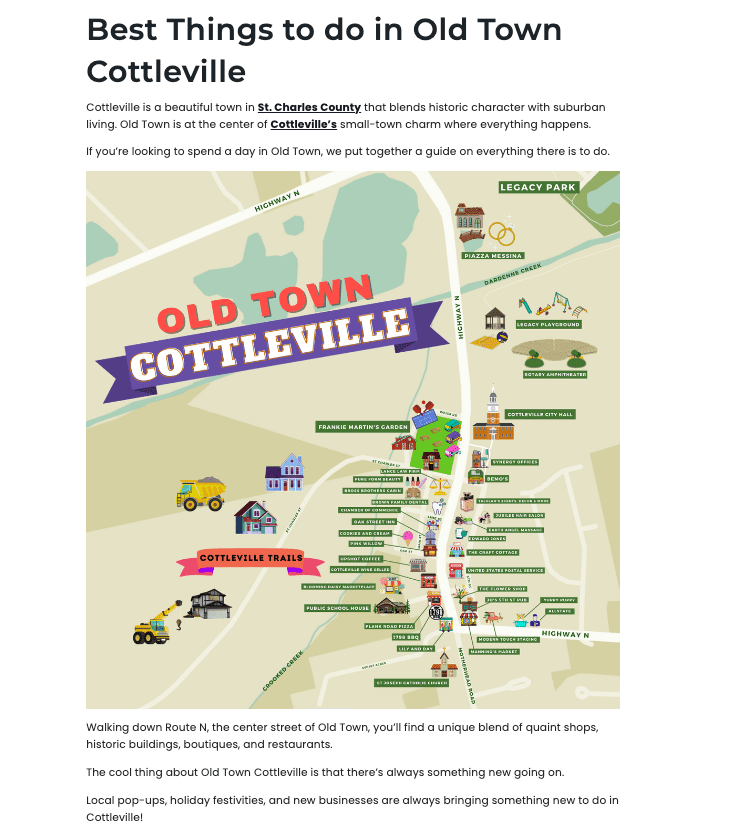
The community sites came next: Lake St. Louis Waterfront Homes and Cottleville Trails in November 2023, and Streets of Caledonia in December 2023. Cottleville Trails produced its first closing about nine months later.
How the site earned authority: original maps and illustrations sent to local businesses and city pages, which shared them; guest posts on established publishers; and expert quotes placed through HARO, Qwoted and Connectively. Most links now point at the neighborhood guides, data pages and market stats.
Closed volume from the channel and websites, by year
* 2026 through September 28.
Share of the team's total closed volume
Team volume counts every lead source, from the team's public track record.
Chapter 4: Getting named when buyers ask AI (2025 to 2026)
Through 2025, the AI work was mostly thorough content plus steady link building. In late 2025 we put knowledge that had only lived in our heads onto the site: rebuilt buy and sell pages, a business overview, an about page, detailed agent bios with videos, and pages for our community events. We also spread reviews beyond Google, going from 2 Yelp reviews to 20 and from 0 Realtor.com reviews to 4, and we corrected our Expertise.com and Experience.com profiles.
In 2026 we added pages written for AI to read: a plain-facts page about the business, a public track record of every closing, and a reviews page. With a full year of tracking behind us, we now know which profiles the AI tools actually cite, so the current work is Zillow, Homes.com, HomeGuide, HomeLight, RateMyAgent and a few others.
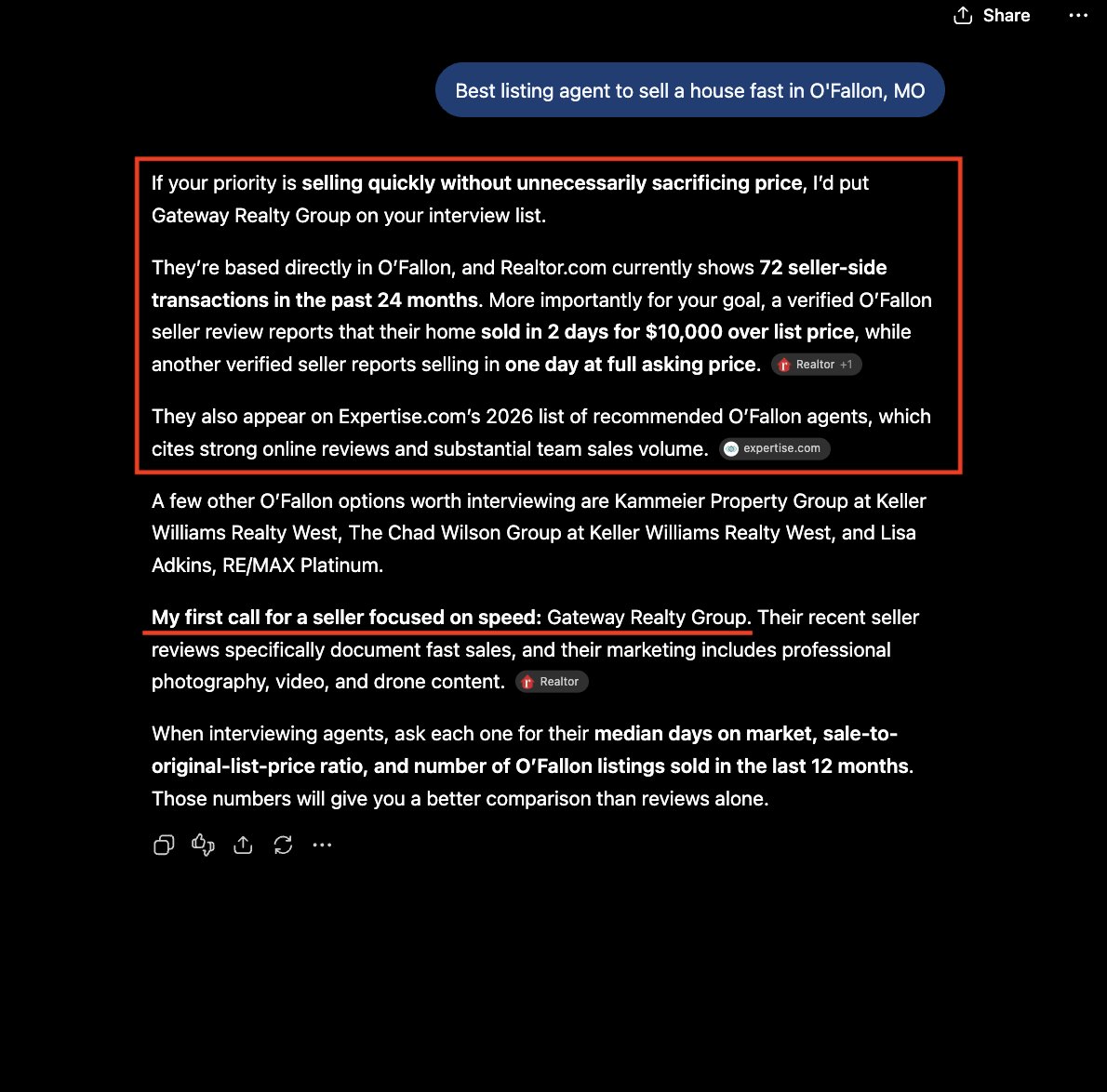
The result: we tracked the same 52 buyer and seller questions every month on ChatGPT and Google AI Mode. In September 2025, the team was named in 19 of 104 answers. In September 2026, it was named in 55 of 104. On ChatGPT alone, that went from 7% to 63%.
Share of answers naming the team, ChatGPT and Google AI Mode
One run a month, so single months move around. The same 52 questions and the same two platforms in every run.
A few questions that went from never naming us to naming us:
- "Best realtor in O'Fallon, MO to guide me through the buying process": named 0 of 2 times in late 2025, and 3 of 3 in September 2026.
- "Best listing agent to sell a house fast in O'Fallon, MO": not named from March to May 2026, then named in all three answers by September.
What I would do differently
Two things. I'd have built the buyer and seller pages first, before the neighborhood guides, because those pages are where people decide to call. And I'd have started link building on day one, instead of a year or two in. It felt obscure at first, and I learned it slowly.
How these numbers are counted
Every lead I send the team is logged in my own tracker. A closing counts here only if the lead came from the Living St. Louis channel, livingstlouismo.com or one of the community sites. My own friends and family are excluded, and so is everything the team sources on its own. The channel uses its own phone number and email, so a YouTube lead is easy to tell apart. Closing dates and prices were checked against MLS records on September 26, 2026.
These figures cover first transactions only. Channel and website leads account for about a quarter of the team's closed volume on their own, and more once you count the repeat and referral business those clients send back.
What this means for a home builder
The same system works for anyone whose buyers research for months before they call:
- Community pages take the place of neighborhood guides.
- Move-in-ready inventory takes the place of listings.
- Your profiles on NewHomeSource, Houzz and Google take the place of Zillow and RateMyAgent.
Cottleville Trails is the bridge. It's a single new-construction community with its own site, and it has produced three closings plus two buyers under contract, from buyers who found us through the community site.
Get your free AI visibility report